There are over 300 species of tea tree.
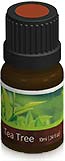
Tea tree oil has been getting some attention lately as a natural remedy for relief of MRSA and Staph, and for good reason. Tea tree oil is one of the strongest antibacterial essential oils, yet it is very mild and safe and can be used in a variety of ways. Of the studies performed on Tea Tree against Staph and MRSA, it has been shown to be effective at removing these bacteria from the skin.
I’ve studied and used essential oils medicinally for almost 10 years. In fact, tea tree oil is one of my favorite natural remedies, and it has it’s place in my natural medicine cabinet. However, there are a few things you should know before considering this oil.
What is tea tree oil?
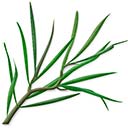
Over 300 different species of plants are known as tea tree in Australia. The species Melaleuca alternifolia is one of the most potent and useful for therapeutic uses.
Tea tree oil was used for centuries by Australian Aboriginals to cleanse and protect the skin. It was later used by the British. In 1923, human clinical studies in Australia began to prove the antibacterial properties of tea tree oil. In World War II, the oil was a standard issue to Australian Army soldiers for wound care as it would cleanse cuts and wounds and even remove pus.
Because of its popularity, tea tree oil is often diluted down or “doctored” with cheap synthetic chemicals. Unfortunately, this kind of adulteration of oils is the “norm” in the essential oil industry. This makes the oil less effective and potentially dangerous to use therapeutically. While tea tree oil is relatively inexpensive and readily available, only the highest quality oil will provide maximum therapeutic effectiveness and safety.
Many uses for tea tree oil
Tea tree oil is used mainly for its antibacterial and antiviral properties on cuts, scrapes and skin irritations. Tea tree is also a common remedy for athlete’s foot, candida yeast infections, acne and warts.
Because tea tree oil is so mild, it can safely be used in many different ways. The oil is excellent for:
- Skin application. Because the oils is so mild, tea tree is an excellent choice for sensitive skin areas or on babies. However some Staph and MRSA infections make the skin extra sensitive. Tea tree can always be diluted in a carrier oil so it doesn’t irritate the skin.
- Bathing. The oil can be added to bath salts to support skin decolonization.
- Nasal rinsing. Can be added to rinse solutions for sinus irrigation for added bacterial control on the skin and in the nose.
- Air diffusing. Tea tree is also an excellent choice for air diffusing to reduce airborne bacteria and viruses.
- Cleaning and hygiene products. Can be added to cleaning solutions, hand sanitizers and liquid soaps and detergents as a natural antibacterial agent. This is a safer alternative than the toxic and dangerous antibacterial soaps common in the U.S.
Controlling MRSA & Staph with essential oils: Michelle’s 4-Part eCourse
Essential oils are potent and versatile remedies for infections but they must be used properly for maximum safety and effectiveness. The fastest way to learn how to use the oils is from an industry expert who can walk you through the steps and answer all your questions.
Michelle Moore brings you a groundbreaking four-part eCourse sharing the same oil methods from her bestselling book. In Part 1, Michelle guides you through using essential oils for skin infections, including application methods and doses for three of the best topical oils, including tea tree oil. Throughout the eCourse Michelle shares her unique method to deliver a strong “1 – 2 – 3 punch” to infections using essential oils topically, internally and for home bacterial control.
Registration for the eCourse is now open and it’s free. Register today by filling out the form below and clicking the green “Register Now” button:
Antimicrobial resistance in MRSA and tea tree oil
Some studies have been performed (references below), comparing tea tree oil to other common antibacterial or topical antibiotic treatments for MRSA decolonization or removal. Overall, tea tree is shown to be as effective, or better than mupirocin nasal ointment or standard antibacterial body washes like triclosan and chlorhexidine. The authors note that tea tree is well tolerated and has a safe history of use.
However, a few studies have shown MRSA resistance to 5% tea tree concentrations or raised antibiotic resistance due to exposure to diluted tea tree. First, I wonder about the quality of tea tree that was used in the study. If a lesser quality oil was chosen, it will not be as potent. Second, upon talking to an essential oil formulator, they are not aware of this resistance forming when using the highest quality oils, but that it has happened using the common commercially available oils.
It’s uncommon for a true “therapeutic” tea tree oil to be used in commercially available personal care products. Because of this possible increased resistance in MRSA, I only use high quality oils and then I add them to my body washes or lotions. That way I know exactly the quality and amount of essential oil that’s in my personal care products.
Safety of tea tree oil
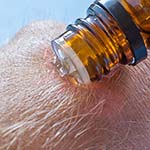
When using essential oils therapeutically and safely, quality matters. Tea tree should be used properly and responsibly, and more is not always better. Some people find that undiluted tea tree oil burns their skin. And too much use of any oil undiluted on the same area of the skin may eventually cause sensitivity to the oil, no matter how gentle the oil may be.
Tea tree oil has a long history of safe use, however, (here’s my disclaimer) if you are pregnant or have a medical condition, consult a physician prior to use (preferably a physician knowledgeable in holistic health and/or medical aromatherapy).
Tea tree is a potent and safe alternative to antibiotic skin and nasal treatments. This oil has been shown to help remove MRSA skin and nasal bacteria over time and virtually no side effects, unlike antibiotics. It’s also a great infection preventative for cuts and scrapes.
Additional resources
When it comes to having a strong ally against MRSA and Staph or any community infection, I always keep my tea tree oil at hand. If you’d like to know what brand I use, please contact me.
Additionally, the MRSA Secrets Revealed Program contains in-depth material on essential oils for Staph and MRSA, including 3 chapters devoted to understanding, finding and using oils as well as protocols, guidelines, and essential oil expert interviews. Click here for more information.

- Oregano oil – the “big gun” of infection-fighting essential oils.
- Air diffusing essential oils and control of airborne MRSA.
- Lavender oil for bites, allergic reactions and minor infections.
References
1) Lett Appl Microbiol. 2008 Oct;47(4):263-8. Changes in antibiotic susceptibility in staphylococci habituated to sub-lethal concentrations of tea tree oil (Melaleuca alternifolia). McMahon MA, Tunney MM, Moore JE, Blair IS, Gilpin DF, McDowell DA.
2) J Hosp Infect. 2004 Apr;56(4):283-6. A randomized, controlled trial of tea tree topical preparations versus a standard topical regimen for the clearance of MRSA colonization. Dryden MS, Dailly S, Crouch M.
3) J Hosp Infect. 2000 Nov;46(3):236-7. Tea tree oil as an alternative topical decolonization agent for methicillin-resistant Staphylococcus aureus. Caelli M, Porteous J, Carson CF, Heller R, Riley TV.
4) BMC Infect Dis. 2008 Nov 28;8:161. A randomized controlled trial of tea tree oil (5%) body wash versus standard body wash to prevent colonization with methicillin-resistant Staphylococcus aureus (MRSA) in critically ill adults: research protocol. Thompson G, Blackwood B, McMullan R, Alderdice FA, Trinder TJ, Lavery GG, McAuley DF.
5) J Craniomaxillofac Surg. 2009 Oct;37(7):392-7. Epub 2009 May 26. The battle against multi-resistant strains: Renaissance of antimicrobial essential oils as a promising force to fight hospital-acquired infections. Warnke PH, Becker ST, Podschun R, Sivananthan S, Springer IN, Russo PA, Wiltfang J, Fickenscher H, Sherry E.